Our electricians in Blackpool
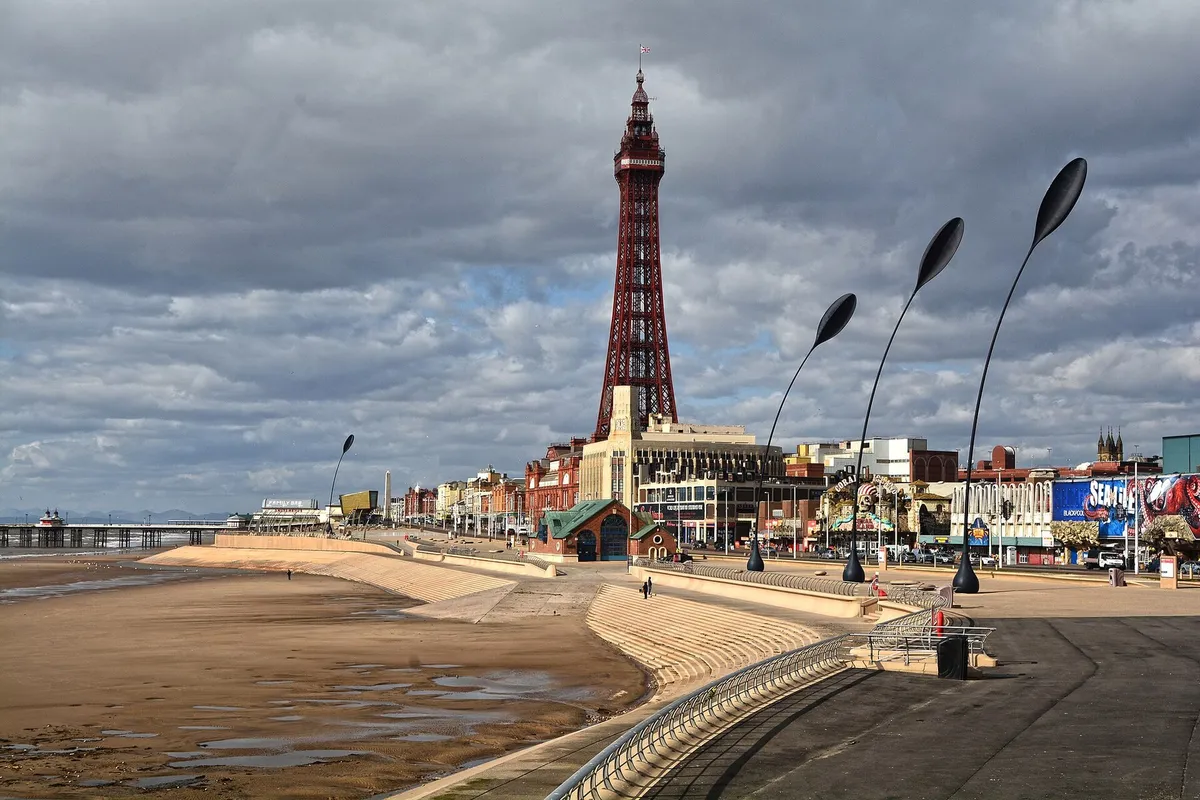
Blackpool is our biggest patch by a distance. On a normal week two of our four vans are somewhere between Starr Gate and Bispham, and we have held keys to some Promenade guest houses longer than their current owners. From Poulton it is a quarter of an hour down Garstang Road or along the A587, so a same-day visit for a tripping fault is usually possible.
Parking on the Prom in August, the back alleys behind the Albert Road hotels, meter cupboards buried under thirty years of paint: none of it is news to us, and none of it changes the price.
Homes in Blackpool
Blackpool’s housing is unlike anywhere else on the coast. South Shore and the streets behind the Promenade are long Victorian and Edwardian terraces, many of them former boarding houses now split into flats or run as houses in multiple occupation. These are the properties covered by the council’s selective licensing scheme in parts of central Blackpool and South Shore, where a licence depends on a satisfactory electrical report. Inside, we see the same things again and again: four or five generations of wiring side by side, sub-mains to each floor that nobody can trace, and the original earthing long gone.
The salt air does real damage. On the seafront and the first few streets back, outside sockets, lights and even consumer units in cellars corrode faster than anywhere inland, and we replace a lot of rusted steel enclosures and green-crusted terminals that were fine five years ago.
Marton and Layton are mostly 1930s and post-war semis, where the issue is a fuse box that has not been touched since the house was built. North Shore and Bispham have larger inter-war houses on the cliffs and a lot of bungalows, many now owned by people who have retired to the coast and want the wiring checked before they settle in. Mereside and Grange Park have council-built stock wired in one or two big programmes, so the problems tend to come all at once.
Work we do most in Blackpool
EICRs and landlord certificates are the Blackpool job. Between the guest houses, the HMOs, the rented flats and the licensing scheme, we test more properties here than in the rest of the Fylde put together, and we turn the report round within 48 hours.
Consumer unit upgrades usually follow a report. An old board with no RCD protection on a 1930s semi in Marton is a one-day job and the single biggest safety improvement most homes can make.
We do a lot of fault finding in the terraces, where a tripping RCD can be a damp cellar, a chewed cable in a loft, or a guest’s hairdryer. Rewires of whole guest houses are a speciality, planned around the closed season so the owner does not lose a booking.
Smoke and heat alarms interlinked across floors come up on almost every HMO we visit. EV chargers are busiest in Bispham and Marton, where there are driveways to park on.
Commercial work in Blackpool
The hotels and guest houses blur the line between domestic and commercial, and we treat the bigger ones as commercial jobs: periodic inspection and testing board by board, emergency lighting and fire alarm testing on a schedule the fire service will accept, and LED lighting upgrades that pay for themselves in a couple of seasons when a corridor is lit for eighteen hours a day. We also work for shops and arcades on the Promenade and for the workshops around Squires Gate and Whitehills.