Is your home suitable?
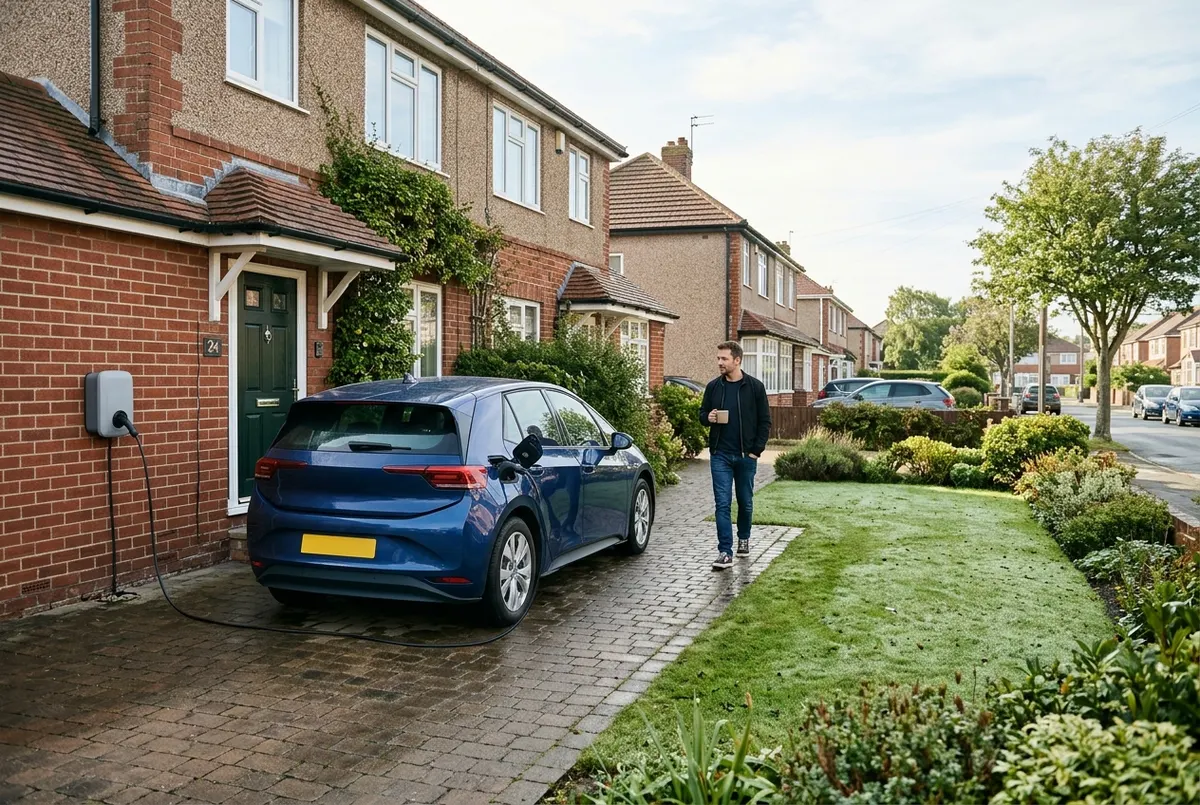
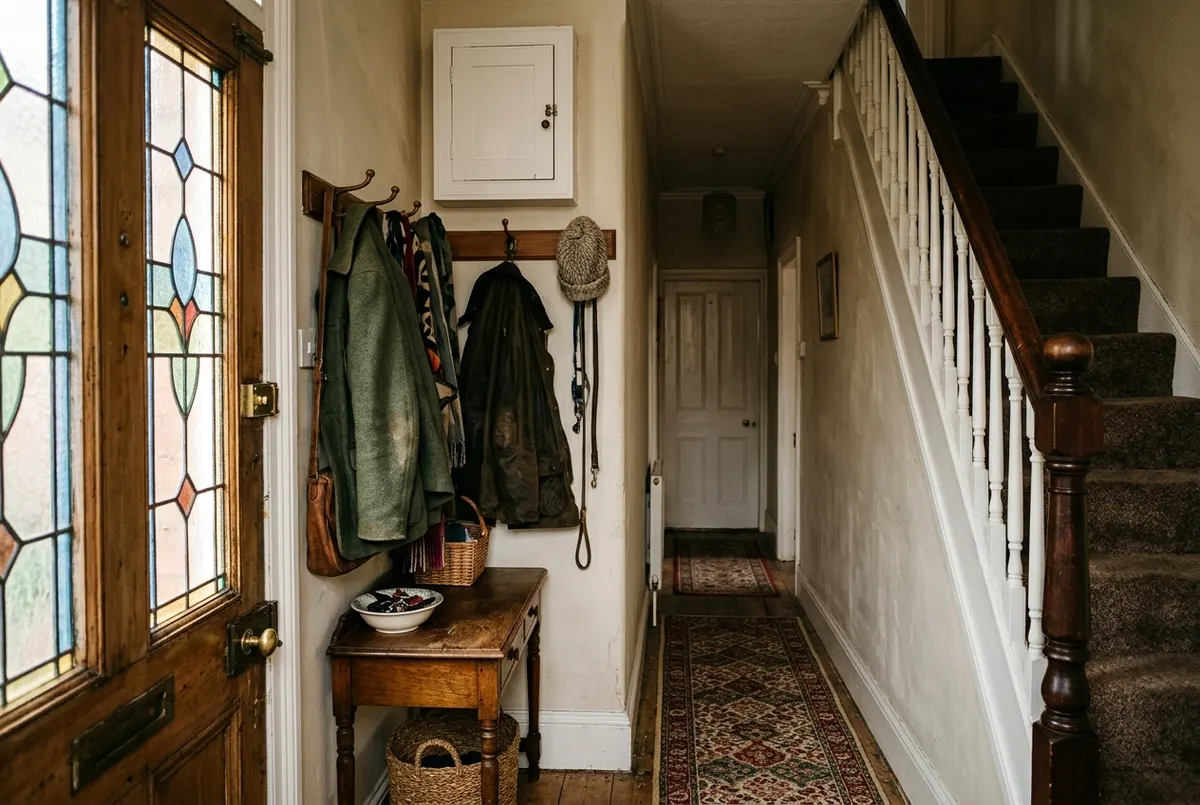
Most houses on the Fylde coast with off-street parking can take a home charger. The three things we check first are where the car will sit, where the consumer unit (the fuse box) is, and what the supply into the house looks like. A charger pulls as much current as an electric shower, continuously, for hours, so it needs its own circuit from the consumer unit and a cable sized for the distance.
The supply matters more than people expect. Many houses have a 60 amp or 80 amp main fuse, and some older ones have less. Our electricians look at the fuse, the type of earthing the network provides and the other big loads in the house, and decide whether the charger can simply be added or whether it needs load management, which lets it slow down automatically when the house is busy.
We are OZEV authorised installers, which is the government scheme for charge point installers, and all our work is to BS 7671 and the IET Code of Practice for Electric Vehicle Charging Equipment.
What the install involves
We start with a survey, either in person or from photos and a short call if the job is straightforward. We agree where the charger goes, the cable route and the charger model, and you get a written quote.
On the day, we run a new circuit from the consumer unit to the charger. Where the unit has a spare way and the right protection we use it; where it does not, we fit a small separate board next to it. The circuit gets its own RCD protection, the device that cuts the power if current leaks to earth. Chargers need a particular type that handles the DC currents electric cars can produce, and either the charger has it built in or we fit one.
Earthing is the part people never hear about. Many supplies on the Fylde are the type where the earth is provided by the network’s neutral, and under certain fault conditions a car body outside can become live. Chargers deal with that in one of two ways: built-in protection that disconnects if it detects the fault, or a separate earth rod driven into the ground. We work out which applies and do it properly, because it is the thing that keeps you safe standing on a wet drive holding a cable.
We mount and connect the charger, test the circuit, commission the app and show you how to set a schedule. You receive an Electrical Installation Certificate (EIC), and because a new circuit is notifiable work under Part P of the Building Regulations, we register it with building control through NICEIC and the compliance certificate follows in the post.
Grants and costs
A 7kW charger, supplied and fitted with up to 10 metres of cable, is £849 including VAT. The cable run is what moves the price most: a detached garage at the end of a long garden, or a charger on a post at the far end of a drive, needs more cable, more clips and sometimes a trench. Tethered chargers, with the cable attached, cost a little more than untethered ones where you use your own cable.
The grant for homeowners with driveways ended in 2022. The current grants are aimed at people who rent, who own flats, and at landlords, and they cover part of the cost of the charger and installation. The rules change often enough that we check at the survey rather than promise anything on this page.
Choosing a charger
We are not tied to one brand. Pick on three things: whether you want a tethered cable, how good the app is, and whether it works with your energy tariff’s smart charging. Every charger sold for home use in Great Britain now has to be smart, with scheduling and the ability to connect to the internet, so the cheap overnight rates from energy suppliers all rely on it. If you already have solar panels, there are chargers that charge only from your surplus, and we fit those too.
Charging on the coast
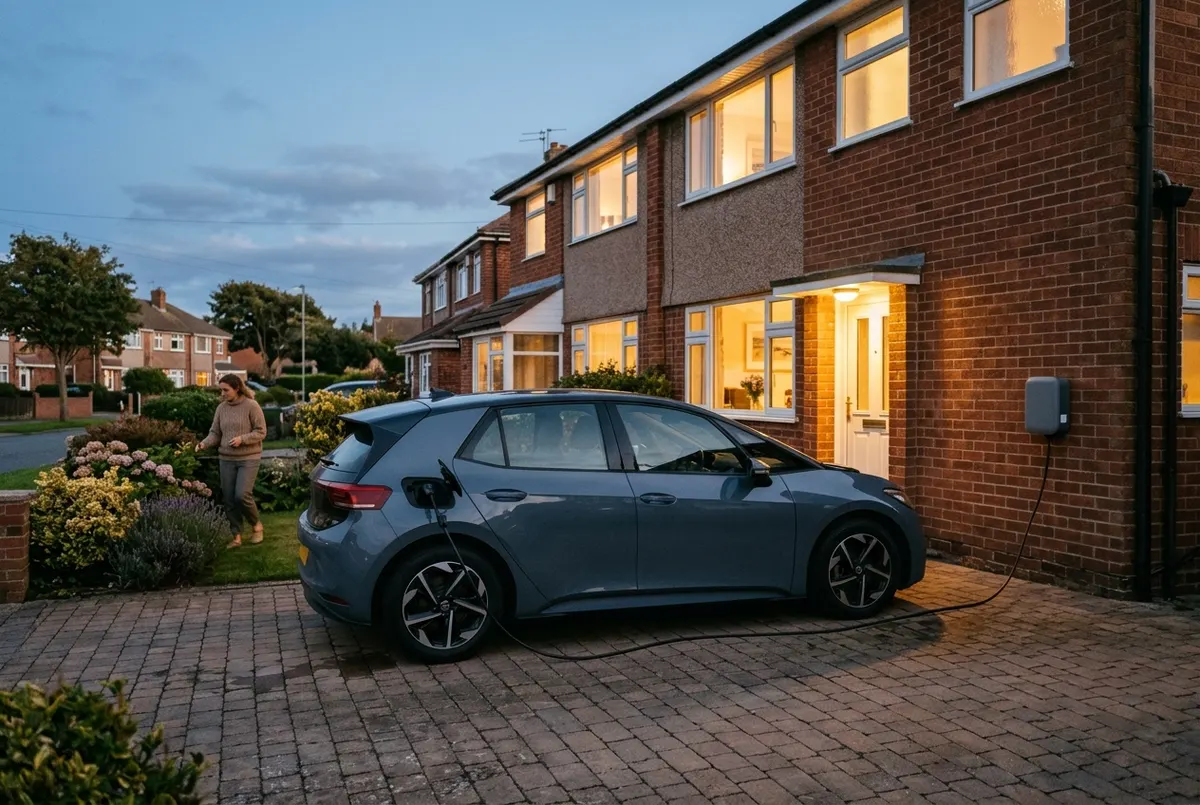
A charger on an exposed wall at Cleveleys or Fleetwood lives in salt air all year. We choose units with a proper weatherproof rating, seal the cable entry and site it out of the direct spray where we can. In Lytham, where many of the larger older houses have long drives and detached garages, the cable run is usually the main cost and we talk through the options before quoting. Guest houses in Blackpool are starting to add chargers for guests, and that is a job we do with load management from the outset, so the kitchen never notices.