Common faults
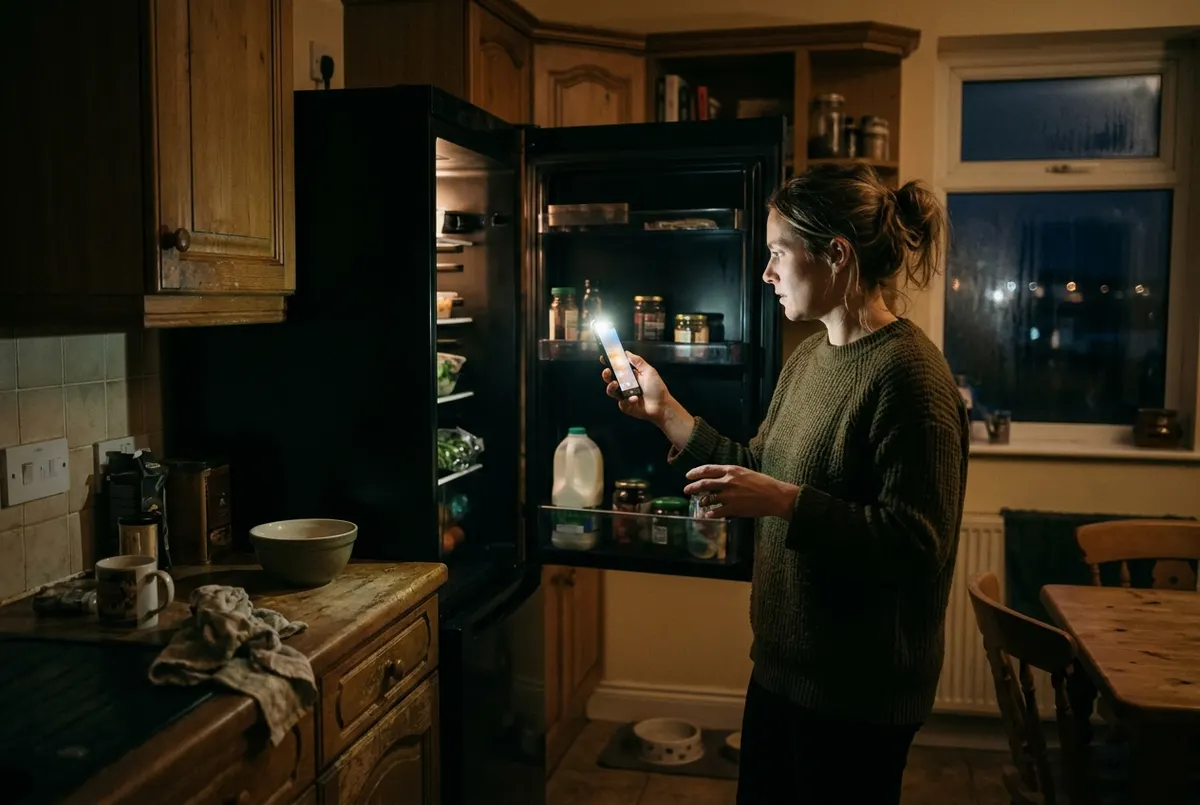
The calls we get most are an RCD that keeps tripping, a circuit that has gone dead, lights that flicker or dim when something else switches on, a socket that has stopped working, and the one that worries people most: a smell of burning or a fitting that is hot to the touch.
An RCD is the residual current device in your consumer unit (the fuse box). It watches for current leaking to earth, which is what happens when a cable is damaged, water gets into a fitting, or an appliance develops a fault. A tripping RCD is doing its job, and the question is only what it has found. A circuit breaker tripping on overload is different: something is drawing too much current, or there is a short circuit.
Flickering lights and sockets that work sometimes are usually loose connections, and loose connections get hot. That is why we treat them as more urgent than a dead socket.
Safe checks you can do
There are a few things you can do before you call anyone, and they save you money. Unplug everything on the affected circuit, reset the device at the consumer unit, and plug appliances back in one at a time. Outdoor lights, kettles, washing machines, heaters and anything that has got wet are the usual suspects. If the circuit holds with everything unplugged, you have narrowed it to an appliance. Our guide on tripping RCDs walks you through it.
That is where the safe checks end. Do not take the cover off the consumer unit, do not open sockets or switches, and do not keep resetting a device that trips straight back. Anything behind a cover is our job.
How fault finding works
We work by elimination, with test instruments rather than guesswork. First we listen: what trips, when, and what else was happening at the time. Weather matters, time of day matters, and so does what was last changed in the house. Then we isolate the circuit, test its insulation resistance, which tells us whether current is leaking between the conductors or to earth, and split the circuit in half and test each half until the fault is pinned to a short section or a single accessory.
That is why it takes time. A circuit might serve ten sockets, and a fault that only shows when the cable is damp cannot be found by looking. Most faults are found within the first hour, which is why we price that way. The ones that take longer are intermittent faults and faults on circuits that have been altered many times, where the cable goes places nobody expects. When we find it, we fix it if we can on the day, and we issue a Minor Electrical Installation Works Certificate with the test results so you have a record.
If fault finding shows a wider problem, such as a board with no RCD protection or cables at the end of their life, we say so plainly, and we say just as plainly when a fault is a one-off.
When it is urgent
Treat these as urgent: a smell of burning or hot plastic, scorch marks or discolouration around a socket or switch, a buzzing or crackling sound from the consumer unit, any accessory that is hot to the touch, and sparks when you plug something in. Switch the circuit off if you can do so safely, keep away from it and call us. If there is smoke or fire, leave the house and dial 999 first.
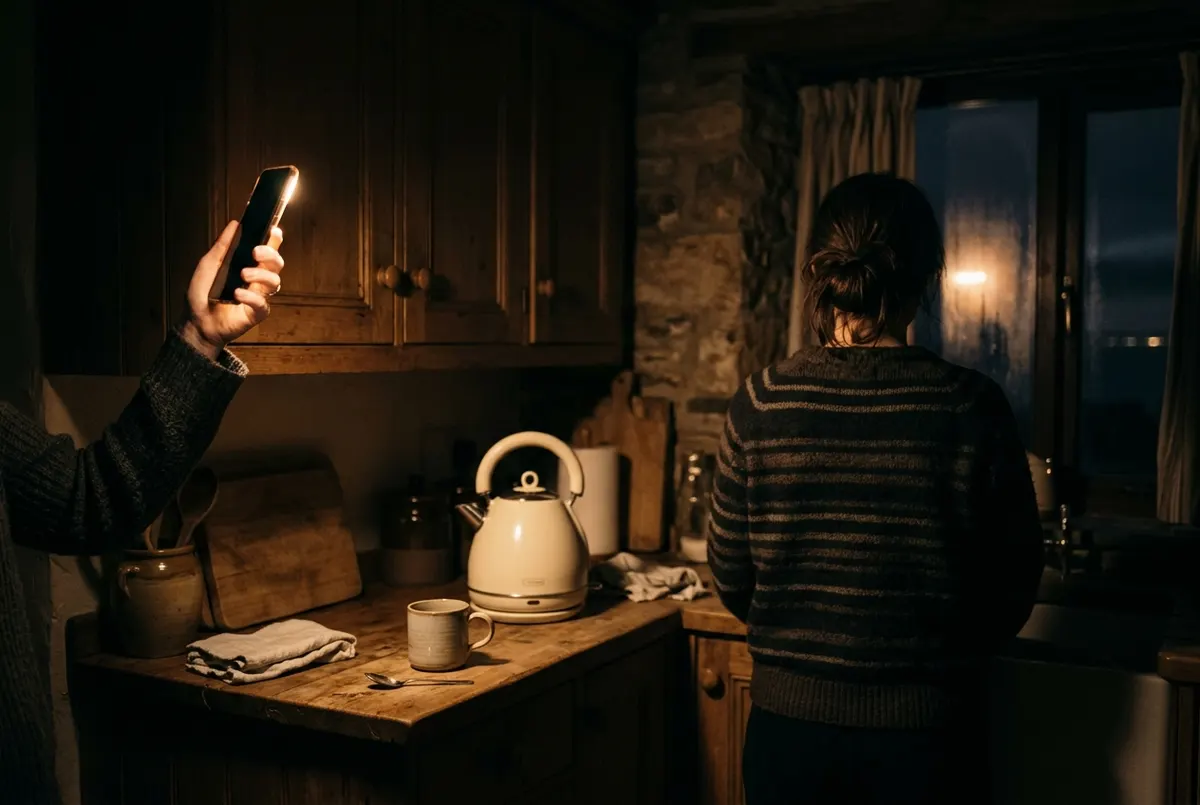
A dead circuit is not dangerous in itself, but a house with no heating in January or a guest house with a floor of rooms off is urgent in its own way.
What it costs
Fault finding is £75 including VAT for the first hour and £55 for each hour after that. A non-emergency call-out, for example to look at something that is not a fault but worries you, is £65 and includes the first half hour. Out-of-hours emergency call-outs are £120 and include the first hour. Parts are quoted before we fit them.
Faults around the Fylde
Coastal damp drives a lot of our fault finding. In Cleveleys and Fleetwood, the usual culprit is an outside light or a socket on a seaward wall where the salt air has corroded the terminals, and the RCD trips every time it rains. In Blackpool guest houses the pattern is different: circuits that have been extended floor by floor, so a fault in a top-floor bathroom takes out a kitchen two floors down and nobody knows why. The 1930s semis in Poulton give us rodent damage in lofts and junction boxes hidden under floors by previous owners. We have seen most of it.