Fuse box or consumer unit?
The box near your meter with the switches in it is a consumer unit. Most people still call it the fuse box, and we do too when we are talking. The difference is only age. A fuse box has fuses: wire that melts when a circuit draws too much current. A consumer unit has circuit breakers, which do the same job with a switch you can reset, and residual current protection, which cuts the power when current leaks to earth, for example through a damaged cable or a person. That second kind of protection is what saves lives, and it is what older boards do not have.
Signs it is time
We tell people honestly if their board is fine. Plenty of 1990s plastic units are still serviceable. The ones we recommend replacing are those with rewirable fuses, those with no RCD protection at all, those with signs of heat such as discoloured or cracked plastic, and those that have run out of space so that additions have been squeezed in badly. If you want to add an EV charger, a hot tub or a garden room, the existing unit often cannot take another circuit, and a new board is the sensible first step.
If you are not sure, an EICR will tell you. We also list the common signs in our guide, and we are happy to look at a photo if you send one to us.
What the job involves
We do not just swap the box. Before anything is disconnected we test each existing circuit, because the new unit’s protection is more sensitive than the old fuses and will expose faults that have been there quietly for years. A damp outside light or a nicked cable under a floorboard will trip a modern RCBO straight away. Finding those first means you are not left with a circuit that will not stay on.
The new unit is metal, as the regulations have required since 2016, with a main switch, an RCBO on every circuit and, where you choose it, a surge protection device to protect electronics from spikes on the supply. We check the main earthing conductor and the bonding to your gas and water pipes, and bring those up to size if they are too small, which they often are in houses wired before the 1980s.
Once the new unit is wired, every circuit is tested again, the results are recorded, and every way is labelled so you know which switch does what. We walk you through the test button and what to do if something trips.
Paperwork and Part P
Replacing a consumer unit is notifiable work under Part P of the Building Regulations in England. That means building control must be told. Because we are NICEIC registered, we notify it ourselves and the compliance certificate comes to you within a few weeks. You also get our Electrical Installation Certificate (EIC) with the full test results on the day or shortly after. Keep both with the house deeds; buyers’ solicitors ask for them.
What it costs
A ten-way metal unit with RCBOs, the testing before and after, the certificate and the notification come to £495 including VAT. A larger house with more circuits, or surge protection added, moves the price up and we quote before we start. If pre-testing finds faults that need fixing, we tell you what they are and what they cost, and you decide.
Fuse boxes around the Fylde
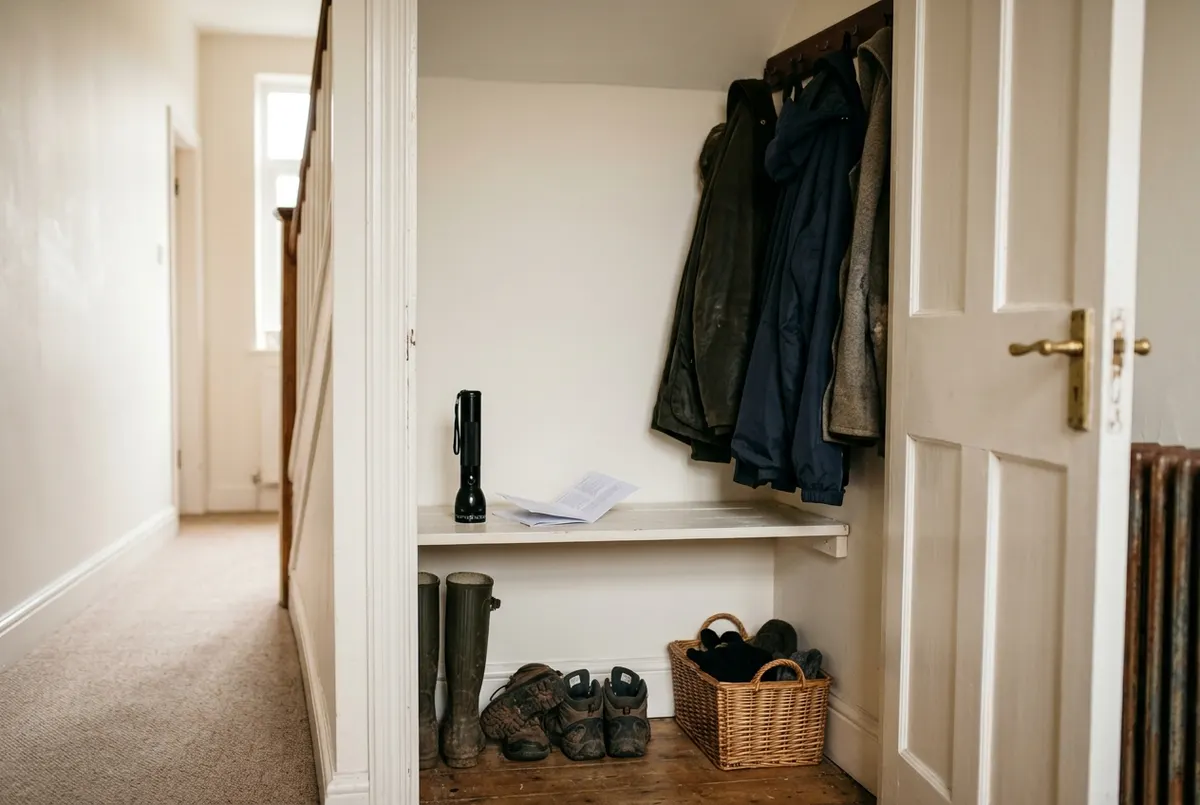
The 1930s semis in Poulton and along the Breck often have had two or three upgrades over the years, and it is common to find the original cupboard under the stairs holding a board that was last touched in the 1980s. In Blackpool guest houses we regularly find two or more consumer units feeding different floors, sometimes from different eras, and we bring them into one labelled scheme where we can. On the coast at Cleveleys and Fleetwood, meter cupboards on exterior walls let the damp in, and we see corrosion inside boards that look fine from the front. A new unit, properly sealed, puts that right.