Do you need a full rewire?
Not every old house does, and we would rather tell you that than sell you one. Wiring from the 1960s onwards is often in good condition if it has not been overloaded or chewed by mice. What usually needs replacing is the rubber-insulated cable from before the mid-1960s, which goes brittle and crumbles when it is disturbed, and any installation where the earthing is missing or unsound.
The honest way to decide is to test. We carry out an EICR, an Electrical Installation Condition Report, which measures the insulation of every circuit and tells us whether the cables are still doing their job. From that we recommend one of three things: a new consumer unit (the fuse box) alone, a partial rewire of the circuits that have failed, or a full rewire. We put the test results in front of you so you can see why.
Full or partial rewire
A full rewire replaces every cable, every socket and switch, the consumer unit and the earthing and bonding. It is the right answer when the cables are old, when the house has had decades of piecemeal additions, or when you are renovating anyway and the floors and walls are coming up.
A partial rewire replaces the circuits that need it and leaves the sound ones alone. Common examples are rewiring the lighting circuits in a house where the socket circuits were done in the 1990s, or replacing the kitchen and bathroom circuits during a refit. We test what stays, connect it to the new consumer unit and certify the lot.
Living through a rewire
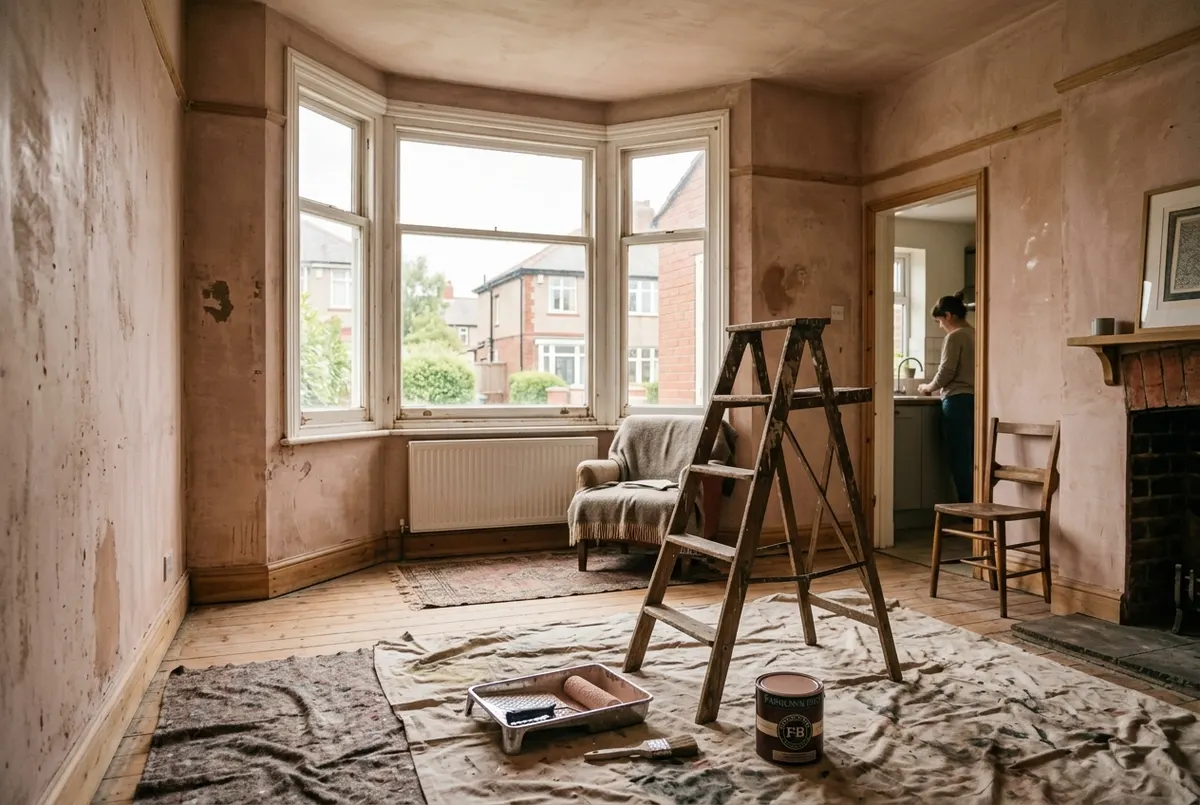
A rewire has two halves. First fix is the noisy part: we lift floorboards, chase cables into walls, drill joists and run every new cable back to the consumer unit position. The old cables come out as we go. This takes most of the time and makes most of the mess. Then the plasterer fills the chases. Second fix is fitting the sockets, switches, light fittings and the new consumer unit, then testing every circuit and switching on.
We plan it room by room and give you a written schedule. We dust-sheet furniture and sweep up each day, and you keep a working circuit for the essentials. We have rewired plenty of occupied houses on the Fylde, including guest houses between seasons, and we keep the disruption to a known number of days.
At the end you receive an Electrical Installation Certificate (EIC) with the full test results, and because a rewire is notifiable work under Part P of the Building Regulations, we register it with building control through NICEIC. The compliance certificate follows in the post and is the document a buyer’s solicitor will ask for later.
Planning ahead
A rewire is the one chance in thirty years to put the sockets where you actually want them. Before we quote, we walk round with you and mark up each room. Think about where the television goes, whether you want sockets either side of the bed, a double on the landing for the vacuum, and outside sockets front and back. Kitchens need more than people expect.
It is also the time to think about what is coming. We can run a spare cable to the drive for an EV charger, put a supply out to a shed or a future garden room, and run network cable to the rooms where Wi-Fi struggles in a brick-built house. Doing any of these later means lifting floors again, so doing them now is nearly free by comparison.
What it costs
A two-bed terrace to our standard specification is from £3,400 including VAT, and a three-bed semi from £4,200. Both include the consumer unit, smoke and heat alarms, testing and certification. The things that push the price up are size, solid floors, and the number of extras. We give you a fixed written price before we start, and it does not move unless you change the specification.
Houses we rewire most
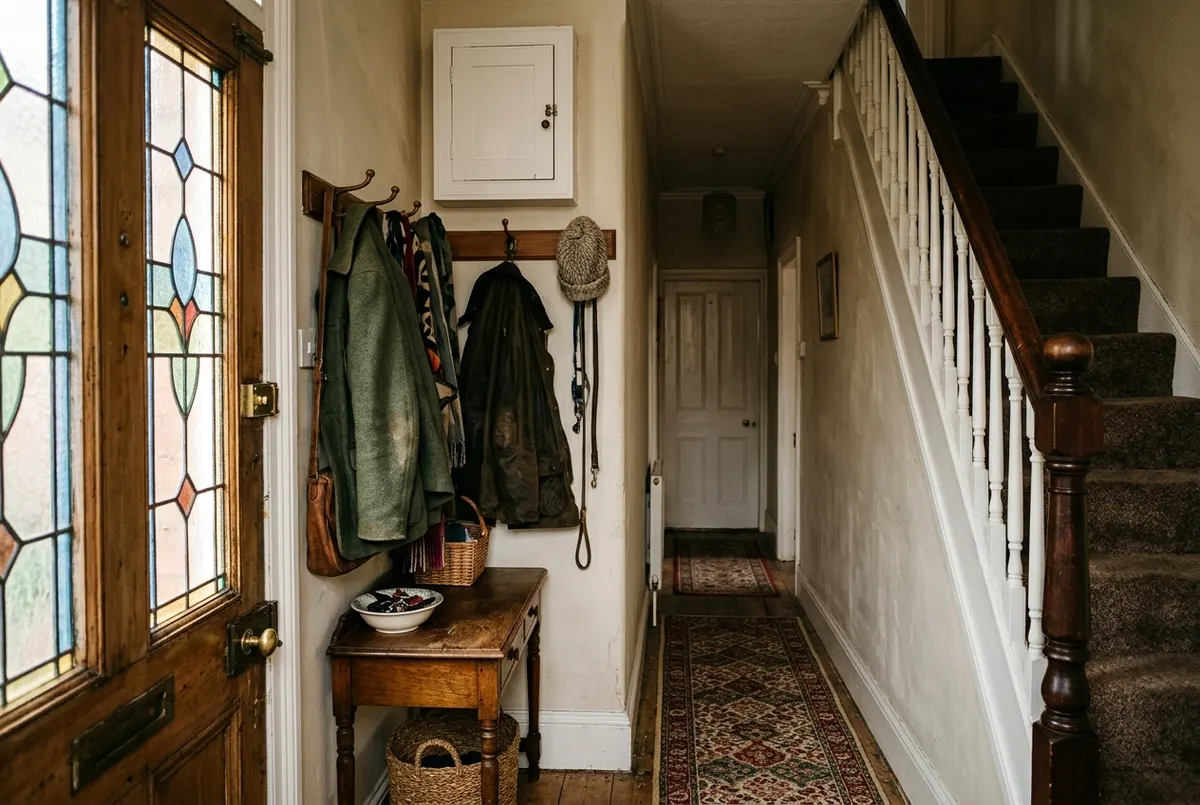
The 1930s semis in Poulton and along the roads off the Breck are the bread and butter of our rewiring work. Many were last wired in the 1970s or 1980s, have had an extension since, and show a mix of cable types at the board. Blackpool’s Victorian terraces and the guest houses behind the Promenade often have three or four generations of wiring and lighting circuits with no earth, and benefit most from a clean start. The larger older houses in Lytham have long runs and lots of rooms, so the specification walk-round matters more there than anywhere. Out towards Garstang, the farmhouses and converted outbuildings bring their own challenges, with supplies that cross yards and barns that have been added to over a century.